
Key Takeaways
- Window finish controls whether openings blend into the exterior or create a strong visual outline.
- Fixed materials, including stucco, siding, roofing, trim, and doors, should guide the color decision.
- Black frames work well when they repeat another dark exterior detail, rather than standing alone.
- Frame color should be selected with profile width, glass layout, glazing, and installation details in mind.
- Sun exposure matters, especially when comparing finishes on different sides of the home.
For homeowners comparing replacement windows Roseville, CA, aluminum frame finish is not a small decorative choice. It changes how strongly each window frames the facade, whether the openings visually recede, and how the entire home reads from the street.
A finish that looks sharp on a small color sample can feel much darker, warmer, or more prominent once it surrounds several large panes of glass. The right choice should support the architecture without competing with the materials already on the home.
Why Aluminum Window Finish Is an Exterior Design Decision
Modern exteriors often depend on clean geometry. Aluminum frames can reinforce that look because their finish creates a clear edge between glass and wall surface.
Dark charcoal, black, and bronze finishes tend to make window openings more graphic. They can suit contemporary homes with flat planes, simple rooflines, dark metal accents, or strong horizontal siding lines. Lighter bronze, silver-toned, or muted neutral finishes are usually less forceful, helping the glass feel more open against pale stucco or light siding.
The decision is not simply “dark versus light.” Look at the amount of glass, the number of windows visible from the street, and whether the home already has strong contrast elsewhere.
Start with the Home’s Fixed Exterior Materials
Start with materials that are staying in place. Paint can change later, but masonry, roofing, and large exterior surfaces usually set the lasting color direction.
- Siding: Note whether the color is warm, cool, or neutral. Gray siding can lean blue, green, or brown, and the wrong frame finish can make that undertone more obvious.
- Stucco: Light stucco often supports dark frames well, but a warm cream stucco may look better with bronze or a softer dark finish than a cool black.
- Stone And Brick: Pull from the darkest repeated shade in the material, not one isolated fleck. This keeps the window color tied to the exterior rather than looking added afterward.
- Roofing: A dark roof can help dark frames feel intentional, especially when both are visible together from the front elevation.
- Trim And Gutters: Matching every trim piece is not required. Still, repeating a frame color in fascia, gutters, metal railings, or light fixtures gives the design a clear visual rhythm.
- Entry, Patio, And Garage Doors: These large elements should be reviewed as a group. A dark window finish can coordinate beautifully with a dark door surround or garage-door hardware, even if the door itself is a different color.
Bring photos of each elevation, not just the front of the house, when reviewing finish samples. A color relationship that works at the entry may not work beside a stone chimney or broad patio door.
Choose Between Blending in and Creating Deliberate Contrast
A tonal frame finish, one that sits close to the wall or trim color, quiets the window openings. This approach works well on restrained contemporary exteriors, broad expanses of light siding, and homes where the architecture should feel calm rather than heavily outlined.
A contrasting finish puts the window geometry forward. Black aluminum frames are often effective on white or pale-gray stucco, natural wood siding, and mixed-material elevations where the same dark tone appears in lighting, railing, or roofing details.
Black is not automatically the modern answer. On a home with substantial traditional trim, many divided lites, or several competing exterior colors, it can make every opening look busy. In that case, a coordinated trim-tone finish may create a cleaner result.
For a broader comparison of finish decisions across materials, review this guide to choosing a window finish.
Account for Sun, Heat, and the Orientation of Each Elevation
Roseville-area homeowners should discuss exposure conditions before finalizing an aluminum finish, particularly where one elevation receives sustained direct sun.
- Compare Samples Outside: Look at full-size samples in daylight, shade, and near the actual siding or stucco. Indoor showroom lighting cannot show every undertone.
- Review Each Side Separately: A finish may appear nearly black on a shaded front wall and much lighter or warmer on a sunlit rear elevation.
- Ask About Available Manufacturer Finishes: Not every color is offered in every window series, size, or operating style. Confirm the finish is available for the complete project.
- Keep Glass Choices In The Conversation: Glass can reflect sky, landscaping, or nearby structures. The way that reflected glass meets the frame affects the final appearance.
- Avoid Choosing by a Tiny Chip Alone: A small swatch cannot show how a dark frame will read around a large picture window or multi-panel door.
Ignoring exposure can lead to a finish that looks noticeably different from the intended design once installed. Waiting until the windows are ordered limits your options, because frame finish is selected as part of the manufactured unit.
Evaluate Finish Choices Alongside Window Style and Sightlines
Frame color and frame width work together. A dark narrow profile can create a crisp, almost outlined view, while a dark substantial frame can look much stronger and more architectural.
Large fixed windows and expansive patio doors make the finish more visible because there is more perimeter around the glass. Casement, awning, sliding, and divided-lite configurations add their own lines, so a bold color may emphasize the pattern more than expected.
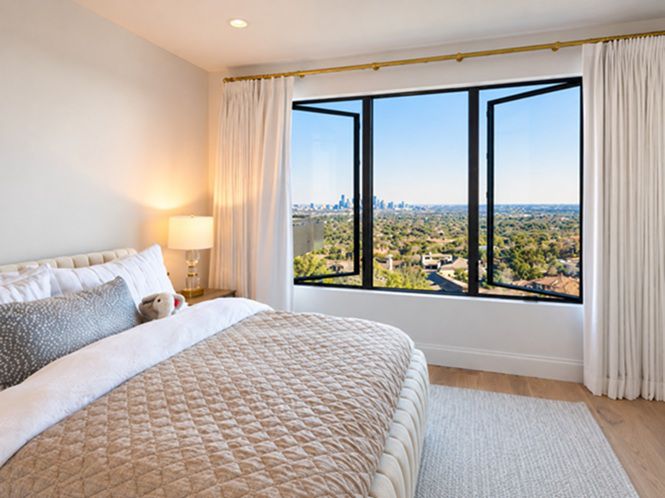
For contemporary indoor-outdoor design, consider what you see from inside as well. A dark frame can intentionally frame a view. A lighter or more neutral finish may let the glass and landscape take more visual priority.
Plan the Full Window Replacement Package Before Finalizing Color
Color should be one decision within a complete replacement plan, not the first and only decision. California Craftsman offers aluminum windows along with other material options, making it practical to compare appearance, frame profile, operation, and available finishes together.
- Glazing: Discuss the glass package along with the frame, especially for rooms with significant sun exposure.
- Operation Style: Confirm that sliding, casement, awning, fixed, or other window styles support the appearance and ventilation you want.
- Installation Quality: The finished look depends on how the new unit, trim, flashing, and exterior transitions are handled. A well-chosen finish cannot hide poor alignment or unfinished-looking perimeter details.
- Door Coordination: Review entry doors, patio doors, and garage-door details together so exterior colors do not feel disconnected.
- Manufacturer Options: Compare the specific finish offerings of the window lines under consideration, rather than assuming a named color looks identical across products.
Before a replacement-window consultation in Roseville, bring exterior photos, samples of siding or paint when available, and a list of materials that will remain. Ask which finishes work across the desired window styles, how the proposed frame profile will look at full size, and whether patio or entry-door finishes can be coordinated.
The best choice for replacement windows Roseville, CA is the finish that works with the home’s fixed materials, planned glass and operating styles, and the visual weight of the full facade. California Craftsman can help you compare those decisions as one package. To schedule a window and door conversation, call (530) 582-1822 today.
Frequently Asked Questions
Are Black Aluminum Window Frames Right for Every Modern Home?
No. Black frames work best when the exterior repeats that dark tone in roofing, trim, railings, lighting, or door details. Without another dark element, black can make windows look isolated rather than intentional.
What Aluminum Frame Colors Work Well with Light Stucco?
Black, charcoal, dark bronze, and softer neutral finishes can all work with light stucco. The better option depends on whether the stucco has warm or cool undertones and whether you want the windows to stand out or blend into the facade.
Should Window Frames Match Exterior Trim?
They do not have to match exactly. Matching can create a quieter look, while contrast can add definition. The important point is that the frame finish should relate to at least one other exterior material or detail.
Can Window Finishes Coordinate with Patio and Entry Doors?
Yes. Coordinating windows and doors can make a mixed-material exterior feel more planned. Exact matches may depend on the manufacturer and product line, so compare actual samples before making the final selection.
What Should I Compare Besides Frame Color?
Compare frame profile width, glass package, operating style, sightlines, available manufacturer options, and the installation approach. These factors affect performance and appearance long after the initial color choice is made.