
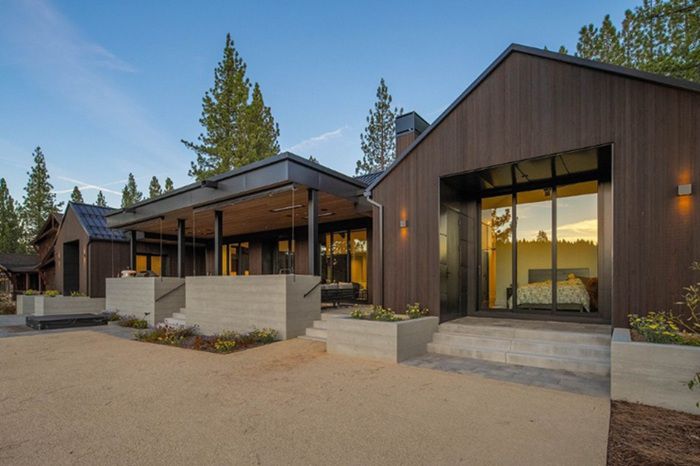
For replacement windows Loomis, CA ranch homeowners should usually favor wide, low-profile units or balanced groupings, not tall narrow windows that compete with the roofline.
Key Takeaways
- Ranch homes look best when window proportions reinforce their long, grounded shape.
- Picture and sliding windows often fit broad living-area walls, but each has a different ventilation trade-off.
- Paired windows can add daylight without making a low facade feel too vertical.
- Frame color, grids, and sightlines matter as much as the operating style.
- Measure openings and study the full exterior elevation before ordering new windows.
Why Do Low, Wide Rooflines Need a Different Window-Selection Approach?
A ranch home usually reads as a single long composition: low roof, broad wall planes, and windows spread across the front rather than stacked upward. The wrong replacement window can interrupt that balance. A tall, narrow unit may bring in light, but it can make the wall look chopped up or make the roof seem lower than it is.
Window placement matters just as much as window style. A row of mismatched sizes, uneven head heights, or bulky frames can make an otherwise clean ranch façade feel busy. Before selecting individual units, look at the house from curb distance and identify the horizontal lines created by the eaves, siding courses, trim, and foundation.
This is especially important when replacing only some windows. New units should not only fit their openings. They should relate to the remaining windows so the home does not appear to have been updated in pieces.
Which Window Styles Usually Suit a Ranch Home’s Horizontal Proportions?
- Picture Windows: A broad fixed window fits naturally below a low roofline and keeps sightlines open. It works well where ventilation is not needed, such as a living room wall facing a view. Pair it with operable windows at each side when the room needs fresh air.
- Sliding Windows: Horizontal sliders are often a straightforward match for ranch architecture because the sash moves side to side rather than adding height. They suit long bedrooms, family rooms, and walls with limited clearance outside. Their wide shape is useful, though center meeting rails can break up the view more than a single fixed pane.
- Casement Windows: Casements open outward on side hinges and can provide strong airflow through a relatively compact opening. A pair of casements can look appropriate when proportioned wide rather than tall. Very narrow casements installed alone may create a more vertical look than the rest of the home supports.
- Double-Hung Windows: These are a familiar choice, but they need careful sizing on a ranch. They often work best in bedrooms or older homes where the existing exterior already uses vertical openings. On a broad front wall, several tall double-hungs can make the façade feel more colonial than ranch-like.
- Awning Windows: Hinged at the top, awning windows are low and wide by nature. They work above a fixed window, in bathrooms, or in locations where the window must sit higher on the wall. Used in moderation, they preserve the home’s horizontal emphasis.
- Bay Or Bow Windows: These units project outward and can add dimension to a flat wall, but they are not automatic upgrades for a ranch. A bay can overwhelm a shallow roofline if its roof cap, trim, and proportions are not coordinated with the existing exterior. Consider one only where the wall has enough visual space around it.
A window selection appointment should include a walk around the entire house, not just measurements from indoors. That is the best time to compare exterior proportions before a style decision becomes permanent.
Should Windows Be Wider, Taller, or Grouped Together?
For most ranch homes, added width is safer than added height. Wider glass follows the direction of the roofline, makes rooms feel more open, and can increase daylight without turning the exterior into a series of tall vertical panels.
Grouped configurations are useful when one oversized window would be awkward or when a room needs both a view and ventilation. A fixed center unit with casements or sliders beside it can create a low, wide composition. Mulled windows, which are multiple units joined into one assembly, also reduce the visual gaps that occur when separate windows are placed too far apart.
Divided-lite patterns need the same restraint. Grids can help a new window relate to an older ranch, especially when the home already has simple divided panes. However, intricate grid layouts may make broad glass areas look crowded. If the home has clean siding and minimal trim, simple grids or no grids often provide the better match.
Ignoring proportion can create a result that feels wrong even when every window performs well. Once several new, overly vertical units are installed across the front, correcting the exterior balance may require changing openings and trim later.
What Is the Best Style for Each Room’s Light and Ventilation Needs?
- Living Areas: Use a picture window for the main view when airflow is available elsewhere. Choose a slider or picture window with operable side units when this room is the main gathering space and needs regular ventilation.
- Bedrooms: Sliding, casement, or double-hung units can all work, depending on the existing opening and furniture placement. Prioritize an operating style that occupants can use easily without reaching across a bed or dresser.
- Kitchens: A horizontal slider or casement can suit a broad kitchen wall. Where the window sits above a counter, the handle and sash operation should be easy to reach, not merely attractive from outside.
- Bathrooms: Awning windows are useful for privacy and ventilation because they can be placed higher on the wall. Obscure glass can bring in daylight while limiting clear views.
- Hard-To-Ventilate Spaces: Laundry rooms, hallways, and enclosed rooms benefit from operable windows where practical. A small fixed window adds light, but it will not help release stale air.
For sunny walls, style is only part of the decision. Review replacement windows for homes with full sun exposure before settling on glass and placement.
How Do Frame Color, Grids, and Glass Choices Change the Final Look?
A replacement window can have the right shape and still look disconnected if the frame finish clashes with the home. Light frames often blend into pale trim, while darker frames outline the glass more strongly and can make each opening appear smaller. Match the dominant trim and siding relationship, not just a color sample viewed indoors.
Exterior trim width is another overlooked detail. Thick replacement frames and wide trim can reduce visible glass and make a modest ranch façade feel heavy. Study the glass-to-wall ratio from the street, particularly when the home has deep eaves that already cast shade.
Glass should support the way the room faces and is used. Clearer glass may preserve views, while certain options can reduce harsh sun and fading. The best choice is the one that supports comfort without changing the exterior appearance more than necessary.
What Should Loomis Homeowners Ask Before Choosing Replacement Windows?
- How will this unit look from the street? Ask to compare the proposed width, height, frame thickness, and grid pattern against the full façade.
- Can the existing opening stay as it is? Keeping an opening may preserve the home’s original proportions. Changing it can make sense when the room function is poor, but the exterior should be reviewed first.
- Would a paired or mulled arrangement work better? This is often the answer when a single tall replacement window would disrupt the roofline.
- What operating style fits the room? Consider furniture, counters, walkways, and how often ventilation is actually needed.
- How will local sun, wind, and temperature swings affect the glass choice? Ask about performance options that fit the exposure of each wall.
- How will the old window be removed and the opening prepared? Proper installation depends on the condition of the surrounding wall, trim, and opening, not simply placing a new unit in the hole.
- Can I see the full proposed layout before ordering? Reviewing all visible windows together helps prevent mismatched proportions.
California Craftsman can help you weigh style, opening size, ventilation, and exterior appearance before you commit to new windows. For guidance on replacement windows Loomis, CA homeowners can call California Craftsman at (530) 582-1822 and schedule an in-home conversation around the way their ranch home is built.
Frequently Asked Questions
Are Picture Windows or Sliding Windows Better for A Ranch Living Room?
Picture windows usually provide the cleanest view and the strongest horizontal look. Sliding windows are better when the same opening must provide regular airflow. A fixed center panel with operable side units can balance both needs.
Can New Windows Add Daylight Without Making A Ranch Home Look Taller?
Yes. Increasing width, using paired windows, or choosing a broader fixed-glass section can add daylight while following the home’s horizontal lines. Enlarging height is not the only way to brighten a room.
Do Double-Hung Windows Work on Ranch Homes?
They can, especially where the home already has taller, traditional openings. They tend to work best when their proportions match existing windows and when they are not repeated across a long, low front wall without a design plan.
Should I Keep My Existing Window Openings?
Keeping openings is often the simplest way to preserve the original exterior rhythm. Consider a new configuration only when the current opening limits light, ventilation, or room function, and review how that change affects the full wall.
What Makes Replacement Windows Look Appropriate on an Older Ranch?
Simple proportions, consistent head heights, restrained grid patterns, and frame colors that relate to the existing trim usually matter most. Avoid adding ornate details that do not appear anywhere else on the home.