
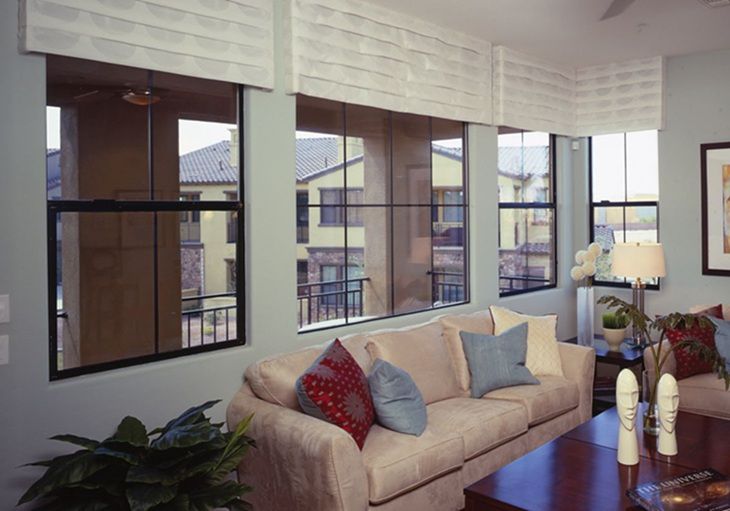
Homeowners researching replacement windows Roseville, CA often focus on glass packages, frame colors, or energy ratings first. What many overlook is how much the frame itself changes the feel of a room. Narrow frame windows create cleaner sightlines, bring in more daylight, and make living spaces feel noticeably larger without changing the home’s footprint.
That difference is not just aesthetic. In many homes, bulky frames reduce visible glass enough to make interiors feel darker and more closed in than homeowners realize. We see this often during remodel consultations where the customer initially believes their room layout is the problem, when the real issue is the amount of natural light being blocked by outdated window construction.
Why Slimmer Window Frames Change the Entire Feel of a Room
The biggest advantage of narrow frame windows is the increase in visible glass area. Even small reductions in frame thickness can create a surprisingly open appearance.
In kitchens and living rooms, this often changes how surfaces and wall colors look throughout the day. More natural light softens shadows, improves visibility, and reduces the heavy contrast that older windows create in darker corners.
This becomes especially noticeable in homes with covered patios, mature trees, or deep roof overhangs. Those exterior features already reduce incoming sunlight. Thick window frames make the problem worse.
Homeowners are sometimes surprised to learn they can gain more daylight without enlarging the opening itself.
The Hidden Performance Factor Most Homeowners Miss
Some people assume slimmer frames automatically mean weaker windows. That is not necessarily true.
Modern narrow frame systems are engineered differently than older aluminum windows that many California homes still have installed. Better structural reinforcement and improved glazing systems allow manufacturers to reduce frame bulk while maintaining strength and thermal performance.
The important detail is how the frame is built internally.
A poorly designed slim-frame window can flex over time, especially on larger openings exposed to afternoon heat. That movement may eventually affect locking performance, weather sealing, and air infiltration.
We always recommend evaluating the structural design of the frame itself, not just the visible appearance from inside the home.
Why Narrow Frames Work Especially Well in Contemporary Remodels
Many homeowners update flooring, lighting, cabinets, and paint colors but leave older windows untouched. The result can feel visually inconsistent.
Modern interior finishes tend to emphasize clean lines and openness. Thick window frames interrupt that style because they visually divide the wall space into smaller sections.
Narrow frame windows complement open-concept renovations because they reduce visual clutter. The eye focuses more on outdoor views and less on the frame itself.
This matters even more in homes with scenic surroundings, backyard landscaping, or hillside views. The window becomes less of a border and more of a connection to the outside.
What Happens When Window Frames Are Too Thin for the Opening
There is a point where slimmer is not better.
Very large openings require enough structural rigidity to resist expansion and contraction from temperature swings. If the frame lacks proper reinforcement, homeowners may notice problems that do not appear immediately after installation.
Some early warning signs include:
- Difficulty locking the sash during hot afternoons
- Minor air leaks near corners
- Glass vibration during strong wind events
- Uneven reveal gaps over time
This is why proper product selection matters more than trends.
A narrow frame window should still be matched to the size, orientation, and exposure conditions of the home. West-facing walls in hotter parts of California often place far greater stress on windows than shaded north-facing elevations.
The Daylight Effect Homeowners Notice Immediately
One of the most common reactions after installation is how much larger the room feels.
Interestingly, homeowners often cannot identify exactly why at first. They simply notice the space feels brighter, calmer, and less confined.
We recently worked with a homeowner who replaced older bronze aluminum sliders in a family room with slimmer contemporary frames. The room dimensions stayed identical, yet the homeowner believed the contractor had enlarged the opening because the visual difference was so dramatic.
That effect comes from increasing visible glass while reducing heavy framing lines that interrupt the view.
It is one of the few remodeling upgrades that changes both interior and exterior appearance at the same time.
Why Frame Design Impacts Energy Efficiency More Than Expected
Most energy discussions focus only on glass coatings or insulation values. Frame design also plays a major role.
Older bulky frames often contain large amounts of conductive material that transfer outdoor temperatures indoors. Narrow modern frames can improve efficiency when paired with advanced thermal barriers and high-performance glass packages.
There is another overlooked issue homeowners rarely consider.
Wider frames absorb and retain more solar heat during peak sun exposure. In certain installations, especially darker-colored frames, that heat buildup can contribute to expansion stress over time.
Well-engineered narrow frame systems reduce some of that thermal mass while maintaining stability.
That balance becomes particularly important in climates with strong afternoon sun exposure.
Installation Quality Matters More with Narrow Frame Windows
Slim-profile windows leave less margin for installation errors.
Poor shimming, uneven fastening, or improper flashing becomes more noticeable because the frame lines are visually cleaner and tighter. Even small alignment issues can affect operation or appearance.
This is why experienced installation matters just as much as product quality.
A narrow frame window installed incorrectly may develop operational problems faster because there is less material available to disguise structural inconsistencies in the opening.
Homeowners should ask how the installer handles frame leveling, flashing transitions, and expansion allowances before choosing a product.
When Narrow Frame Windows Make the Most Sense
Not every home needs ultra-slim sightlines. The best results usually come from homes where natural light, outdoor views, and modern aesthetics are priorities.
They work particularly well for:
- Living rooms with backyard views
- Contemporary remodels
- Homes with darker interiors
- Large fixed-pane combinations
- Patio-facing spaces
- Open-concept renovations
If your current windows make rooms feel boxed in or disconnected from the outdoors, slimmer sightlines can create a larger visual impact than many homeowners expect.
For homeowners comparing frame styles, scheduling a professional evaluation can help determine whether your existing openings can support slimmer-profile systems effectively. You can also explore our replacement window solutions internally linked service page to compare materials and performance options for your home.
The right narrow frame window should improve daylight, comfort, and long-term performance together, not just appearance alone. Homeowners exploring replacement windows Roseville, CA should work with experienced specialists who understand both structural requirements and modern design goals. California Craftsman helps homeowners balance clean aesthetics with durable, high-performing window systems designed for Northern California conditions.