
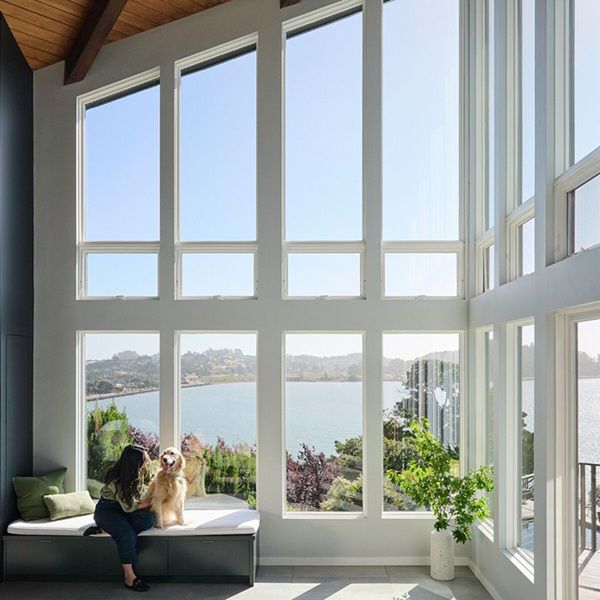
Replacing single-pane windows is usually the right move when a room feels noticeably cold, hot, drafty, or hard to use despite normal heating and cooling. Homeowners considering replacement windows Rocklin, CA should focus first on the room problem, then select glass, frames, operation, and installation details that address it.
Key Takeaways
- Single-pane glass often leaves the indoor glass surface far closer to outdoor temperatures.
- Multiple panes help, but frame construction and air sealing also affect comfort.
- Sunny rooms, shaded rooms, bedrooms, and high-use living areas may need different priorities.
- A well-selected window can still underperform if the opening and trim details are neglected.
- Notes about each room make a replacement consultation more productive.
When Do Single-Pane Windows Become a Problem?
Single-pane windows become a practical problem when they make part of the house uncomfortable to occupy, not merely when they look old. A chair beside the glass may feel chilly, a bedroom may heat up early, or a room may stay uncomfortable after the HVAC system has been running.
Watch for cold glass, noticeable air movement near the sash, indoor condensation, fading near a window, outside noise, or rooms that feel different from the rest of the home. Difficulty opening, closing, or locking the window also matters because it can limit ventilation and indicate worn components or shifting around the opening.
Those symptoms do not automatically prove the window is the only cause. Attic insulation, wall insulation, gaps around trim, duct performance, and HVAC sizing can create similar complaints. Still, single-pane glass offers very little resistance to heat transfer, so it is often part of the comfort equation.
Waiting can make the problem more expensive in a different way. Condensation that repeatedly wets interior trim or surrounding finishes can contribute to staining, soft materials, and hidden deterioration. A window assessment should look beyond the glass to determine whether the discomfort is coming through the window, around it, or from both.
What Changes with Modern Window Construction?
Modern replacement windows manage heat, sunlight, moisture, and air leakage as a system. They do not eliminate every room-temperature difference, but they can make the area near the window more stable and easier for the home’s heating and cooling equipment to manage.
Insulated Glass Slows Heat Transfer
An insulated glass unit has two or more panes separated by a sealed space. That space reduces direct heat flow compared with a single sheet of glass. Some units use a gas fill between panes, while low-emissivity coatings, often called Low-E coatings, help control radiant heat moving through the glass.
The right coating is not identical for every opening. A bright exposure may need more attention to solar heat gain and glare, while a shaded bedroom may benefit more from retaining indoor warmth and keeping the glass surface less cold. Glass selection should follow the room’s use, orientation, and sunlight pattern rather than a one-size-fits-all label.
Warm-edge spacers also matter. The spacer holds the glass panes apart at the perimeter of the insulated unit. Better spacer design can reduce the colder band around the edge of the glass, where condensation is more likely to form.
Frames and Seals Support Performance
Glass is only one part of the opening. A frame that resists movement, weatherstripping that compresses correctly, and a sash that closes squarely all help limit unwanted air movement. Vinyl, aluminum, fiberglass, clad wood, and steel frames each have different strengths, but fit and construction are as important as material alone.
Operating windows need particular attention. A unit that provides ventilation must also close tightly when ventilation is not wanted. For a closer look at how operating and fixed options affect airflow and views, review this guide to window choices for views and ventilation.
Comfort Depends on the Whole Opening
A replacement window performs best when its glass package, frame, weatherstripping, and installation match the opening. The wall around the window, interior trim, exterior trim, and drainage details all influence whether outside air or water can reach vulnerable areas.
That is why a modern window should not be judged only by the number of panes. A quality insulated glass unit placed in a poorly prepared opening can still leave drafts and temperature swings. The best decision connects the window specification to the room, then protects the window’s performance during installation.
Room Symptoms Point to Different Priorities
The same window upgrade may not suit every room. Use the room’s day-to-day behavior to guide the conversation.
Room Experience | Main Priority | Features To Discuss | Installation Detail |
Hot afternoon glass | Solar control | Low-E glass, shading | Trim and wall gaps |
Cold seating area | Interior comfort | Insulated glass, warm-edge spacer | Air sealing |
Stuffy bedroom | Controlled ventilation | Operable sash, secure hardware | Square operation |
Street-facing noise | Sound reduction | Glass configuration, tight seals | Perimeter sealing |
Sunroom temperature swings | Broad comfort range | Glazing matched to exposure | Opening condition |
A sunroom deserves separate planning because broad glass areas can amplify temperature changes. This overview of windows for variable sunroom conditions explains why glass selection and installation details need to work together in those spaces.
Which Window Features Matter Most?
The most useful window features are the ones that address the discomfort you can identify in a specific room. For year-round comfort, discuss insulated glass, Low-E coatings, spacer design, frame material, weatherstripping, operating style, and the ability to maintain airflow when desired.
Do not choose solely by pane count. Two-pane insulated glass may be a major improvement over single-pane glass, but coating type and solar control can be especially important on bright exposures. In a shaded or cooler room, the goal may be less about reducing sunlight and more about improving the temperature of the indoor glass surface.
Think about how each room is used. A fixed picture window can maximize an unobstructed view but does not provide ventilation. A casement, awning, sliding, single-hung, or double-hung window introduces an operating function, which means hardware and weatherstripping deserve close attention.
Also discuss visible frame width and trim integration before ordering. A replacement window should work with the opening’s proportions and interior finish, not simply fit inside the rough dimensions. California Craftsman offers window replacement and installation across a range of window styles and materials, allowing recommendations to be based on the needs of the opening rather than a single product type.
Before Requesting Replacement Windows in Rocklin
A little preparation helps identify patterns that are easy to forget during a consultation. Gather information by room, not just by window count.
- Note when each room feels too warm, too cool, drafty, noisy, or overly bright.
- Record which direction each window faces and whether nearby overhangs, trees, or structures change the amount of sunlight.
- Identify how often the window needs to open and whether ventilation is important for sleeping areas, kitchens, or other regularly used rooms.
- Take clear photos of the interior trim, exterior trim, glass, sashes, locks, and any staining or visible gaps.
- Write down what is nonnegotiable, such as preserving a view, reducing glare, improving operation, or keeping a particular architectural look.
These details help separate a glass-selection issue from an airflow, opening-condition, or installation concern. They also make it easier to prioritize rooms if the project will be completed in stages.
Installation Details Protect the Upgrade
Installation determines whether the new window can deliver the performance its components are designed to provide. Accurate measuring comes first, but the installer also needs to evaluate the existing opening for uneven framing, deteriorated materials, gaps, and conditions that could affect the new unit.
The window must sit level, plumb, and square so the sash operates correctly and weatherstripping makes consistent contact. Air sealing around the frame helps prevent drafts, while flashing and exterior water-management details direct water away from the opening instead of trapping it behind trim.
Interior and exterior trim should be integrated carefully, not forced into place to hide a poor fit. Final checks should include opening, closing, locking, and verifying that operable sections move freely.
The final choice is not simply single-pane versus double-pane glass. It is deciding which combination of glazing, operation, frame construction, and installation work best for the rooms you use most. For replacement windows Loomis, CA, talk with California Craftsman about the conditions in your home, or call (530) 582-1822 to schedule a conversation.