
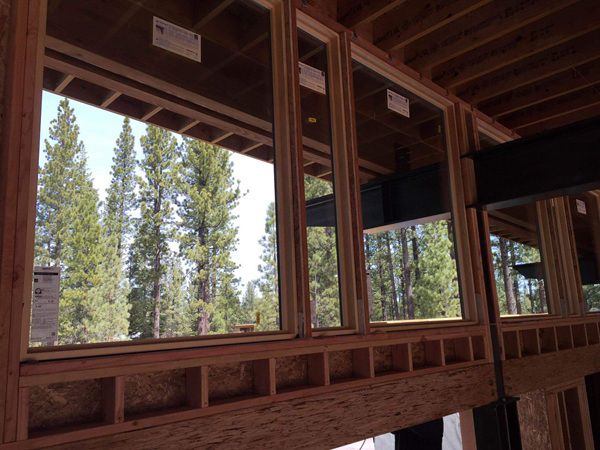
When homeowners start exploring replacement windows Roseville, CA, one of the most overlooked factors is how shade and sunlight shift throughout the day. Homes with mature trees or partial shade don’t experience consistent exposure, which creates uneven performance across different windows.
We’ve seen homes where one side overheats by noon while the other stays cool all day. That imbalance puts stress on HVAC systems and makes certain rooms uncomfortable no matter how you adjust the thermostat.
The key is not choosing one window type for the entire house. It’s understanding how each side of your home behaves and selecting windows that respond to those conditions.
How Low-E Glass Selection Changes Room-to-Room Comfort
Low-E coatings are often marketed as a one-size-fits-all solution, but that’s rarely the case in shaded properties.
Windows facing direct sun benefit from coatings that block solar heat gain. But on the shaded side of the home, that same coating can make rooms feel darker and cooler than necessary. We’ve walked into homes where homeowners thought their windows were failing, when in reality the glass choice was too aggressive for low-light areas.
A better approach is using different glass packages depending on orientation. This is something many homeowners are not offered upfront, but it can dramatically improve comfort without increasing energy use.
The Hidden Moisture Risk Around Trees and Shaded Windows
Homes near dense landscaping deal with more than just shade. Moisture becomes a bigger factor.
Shaded windows dry slower after rain or morning dew. Over time, this can lead to frame deterioration, especially with lower-quality materials. We’ve replaced windows where the exterior looked fine, but internal rot had already started due to prolonged moisture exposure.
Vinyl and fiberglass tend to perform better in these environments because they resist moisture absorption. Wood-clad windows can still work, but only if they are properly maintained. Ignoring this detail often leads to premature replacement costs.
Why Uneven Sun Exposure Can Warp Lower-Quality Frames
Not all window materials expand and contract the same way.
On homes where one side gets intense afternoon sun and the other stays shaded, we often see uneven wear. Lower-grade vinyl can soften and slightly warp under heat, while shaded windows remain stable. Over time, this creates alignment issues that affect operation and sealing.
This is one of those problems that doesn’t show up right away. It develops slowly, and by the time homeowners notice drafts or sticking windows, the damage is already done.
Choosing higher-quality materials with better thermal stability can prevent this entirely.
Balancing Natural Light Without Creating Glare or Dark Spots
One challenge with shaded homes is maintaining consistent natural light.
Too much solar control glass on the sunny side can fix heat issues but create a visible difference when looking across rooms. On the flip side, clear glass everywhere can lead to glare in high-exposure areas.
We typically guide homeowners toward a balanced approach where light transmission is adjusted slightly by zone, not drastically changed. The goal is to make the lighting feel natural as you move through the home, not uneven or artificial.
What Happens When Installation Ignores Environmental Conditions
Even the right window can underperform if installation doesn’t account for the surroundings.
In shaded, tree-heavy areas, debris like leaves and pollen can collect around frames more easily. If drainage paths or sealing methods aren’t done properly, water can sit longer than it should.
We’ve seen cases where improper flashing led to slow water intrusion, especially on the shaded side of the home. This isn’t a product failure. It’s an installation oversight that becomes a long-term issue.
That’s why it’s important to work with a team that considers the full environment, not just the window specs.
Small Design Adjustments That Make a Big Difference
Sometimes the solution isn’t just the window itself.
Slightly enlarging a shaded window can bring in more usable light without affecting energy performance. Adding a fixed pane next to an operable window can increase brightness while maintaining ventilation.
These are the kinds of adjustments that don’t always come up in a standard quote, but they can completely change how a space feels day to day.
If you’re already replacing windows, it’s worth asking what small layout changes could improve the outcome.
Making the Right Choice for Long-Term Comfort
Homes with trees, shade, and uneven sun exposure require a more thoughtful approach than standard window replacement projects.
If you’re unsure whether your current setup is helping or hurting your comfort, it may be worth having a professional evaluate how light, heat, and moisture interact around your home. Even a short consultation can reveal opportunities most homeowners don’t see.
Choosing Windows That Work With Your Environment, Not Against It
The best results come from matching your windows to your home’s unique conditions, not forcing a one-size-fits-all solution.
If you’re considering replacement windows Roseville, CA, take time to evaluate sun exposure, moisture levels, and how each room is used throughout the day. These factors matter just as much as energy ratings.
At California Craftsman, we approach each window project with that level of detail, helping homeowners make confident decisions that improve comfort without creating new problems.