
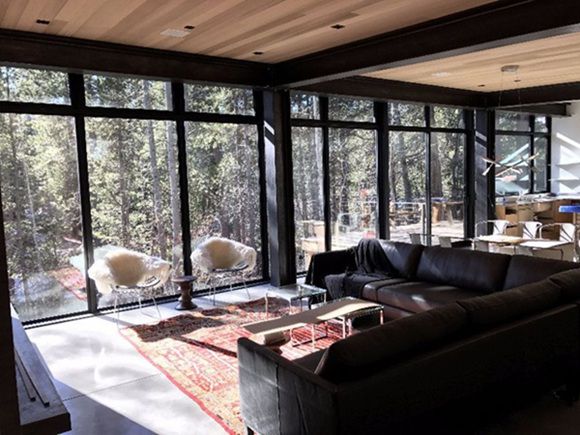
For homes near Roseville’s parks, walking paths, busy connectors, and neighborhood cut-through streets, the best replacement windows Roseville, CA homeowners can choose are not just “energy efficient” windows. They should match the exposure of each room, meaning the glass, frame, opening style, screens, and installation details should answer the real issue outside that wall, whether that is traffic noise, trail privacy, afternoon sun, dust, or a view you do not want to lose.
Start with What the Window Faces
We often see homeowners shop by room, saying “we need bedroom windows” or “we need a new living room window.” That is natural, but it misses the bigger clue. A bedroom facing a quiet side yard has different needs than a bedroom facing a road where headlights sweep across the wall at night.
A good window plan starts from the outside in. Stand at each window and ask what the glass is dealing with for most of the day. Is it a park lawn with open sky, a shaded trail with foot traffic, a fence line, a school route, or a major road?
The non-obvious part is that two windows on the same home may need different glass packages. Matching every unit exactly can look tidy on paper, but it can leave the loud side still loud and the shaded side overly dark. The goal is a balanced home, not a one-size-fits-all order.
Homes Near Parks Need Privacy Without Losing the View
Living near a park is one of Roseville’s joys. You get trees, open space, and a sense of breathing room. You may also get dog walkers, weekend games, parked cars, and people looking toward your windows without meaning to.
For front rooms or side windows facing open public space, we usually think in layers. Glass choice can soften glare, while window style and coverings manage privacy. A picture window may preserve the cleanest view, but a slider or casement can give you fresh air when the park is quiet.
One useful detail many people miss is the height of the sightline. If people outside can see only into the lower half of the room, you may not need obscure glass across the whole window. Sometimes a thoughtful grille pattern, interior shade plan, or a smaller operating section solves the privacy problem while keeping the top view bright and open.
Trail-Side Homes Need Airflow You Can Control
Homes along trails and greenbelts often have changing conditions through the day. Morning air can feel cool and pleasant, while later hours bring dust, pollen, bikes, dogs, and more foot traffic. A window that opens wide is not always the best answer if you rarely feel comfortable leaving it open.
Casement and awning windows can help because they give more control over airflow direction. A casement can catch a breeze when placed well, and an awning can allow some ventilation while offering more shelter from light weather than many people expect. Sliders are simple and familiar, but they may not direct air as well in rooms that need a stronger cross-breeze.
Screens matter more near trails than homeowners expect. A standard screen keeps insects out, but finer mesh can reduce some debris while also dimming the view a bit. That tradeoff is worth discussing before ordering, not after installation.
If you are trying to sort out which rooms should open and which should stay fixed, California Craftsman can talk through the layout with you at (530) 582-1822.
Traffic Noise Is Mostly A Glass and Installation Problem
When a home sits near a busy road, people often assume they need the thickest window available. Sometimes that helps, but sound control is more specific than that. Traffic noise moves through glass, frames, gaps, and weak installation points, so the whole opening matters.
Double-pane glass with different pane thicknesses can reduce certain sound frequencies better than two panes of the same thickness. Laminated glass, which has a sound-dampening layer between glass sheets, can also help in rooms where road noise affects sleep, work, or conversation. The right choice depends on whether you are hearing low tire hum, sharp engine noise, or sudden bursts from trucks and motorcycles.
Here is the part that surprises many homeowners: a high-performing window can still disappoint if the surrounding opening is poorly sealed. Air gaps carry sound. So if the old frame area, trim transitions, or wall conditions are ignored, you may not get the quiet you expected.
Dust, Pollen, and Fine Grit Change the Conversation
Roseville homes near open space and traffic corridors can collect a fine film on sills and tracks. That is not just a housekeeping issue. Over time, grit can make sliders drag, clog weep paths, and wear down moving parts faster.
For dusty sides of the home, we pay close attention to track design and how easy the window is to clean. A window that looks good in a showroom may be frustrating if the lower track traps debris and takes too long to wipe out. This matters most for ground-floor windows near landscaping, roads, and trail edges.
Ventilation habits also play a role. If you love opening windows during cooler evenings, choose styles and screens that are easy to use every day. If you rarely open a noisy roadside window, a fixed unit paired with better glass may serve you better than an operating window you keep locked year-round.
Bay Windows Deserve A Separate Conversation
Bay windows create light, depth, and a favorite place for plants, pets, or seating. They also have more parts than a flat window, including angled side units, a center unit, trim, seat board, and overhead and lower finishing details. That is why questions like “how much does it cost to replace a double glazed bay window” or “cost of new double glazed bay window” cannot be answered responsibly without seeing the size, structure, glass needs, and finish expectations.
We can still offer practical guidance. If the bay faces traffic, the center glass may need more sound control than the side units. If it faces a park or trail, the side windows may need better privacy and ventilation because they catch more angled views from people passing by.
Waiting too long on a failing bay window can create bigger headaches than with a simpler opening. Once moisture affects the seat board or surrounding trim, the project becomes less about swapping glass and more about restoring the opening. Acting early usually keeps the decision focused on comfort, appearance, and performance.
Keep the Home’s Style While Solving Modern Problems
Many Roseville homes have a familiar neighborhood look, and a careless window change can make the house feel off. Frame thickness, grille layout, glass area, and color all affect curb appeal. A window can perform better without looking like it belongs on a different home.
This is especially true near parks and older neighborhood streets where exterior character is part of the charm. If you are trying to improve comfort without changing the personality of the home, our guide on keeping a home’s replacement windows original look while upgrading performance is a helpful companion topic.
One experience-based tip: do not judge frame bulk only from a sample corner. On a large front window, a slightly wider frame can shrink the view more than expected. On a small bathroom or side window, that same frame may be barely noticeable.
A Simple Way to Choose Room by Room
A realistic plan does not start with buying the “best” window everywhere. It starts by deciding what each room needs most.
Use this order when walking the home:
- Bedrooms: Prioritize quiet, darkness control, smooth operation, and secure ventilation.
- Living Areas: Protect views first, then manage glare, heat, and privacy.
- Kitchen And Dining Spaces: Look for easy operation, airflow, and simple cleaning.
- Bathrooms: Balance privacy, moisture handling, and ventilation.
- Street-Facing Rooms: Consider sound glass, tighter sealing, and window styles you will actually use.
Imagine a home near a trail on one side and a busier street on the other. The trail-facing family room may need large glass, controlled ventilation, and privacy planning. The street-facing bedroom may need laminated glass, careful sealing, and a style that stays closed most nights. Treating both sides the same would waste an opportunity to make each space feel better.
If you are comparing window replacement Roseville CA options, ask less about what is popular and more about what problem each window is supposed to solve. For guidance on replacement windows homes near parks, trails, and traffic can count on, call California Craftsman at (530) 582-1822 and we will help you think through the choices room by room.